





Cold bath or warm bath: which is better?
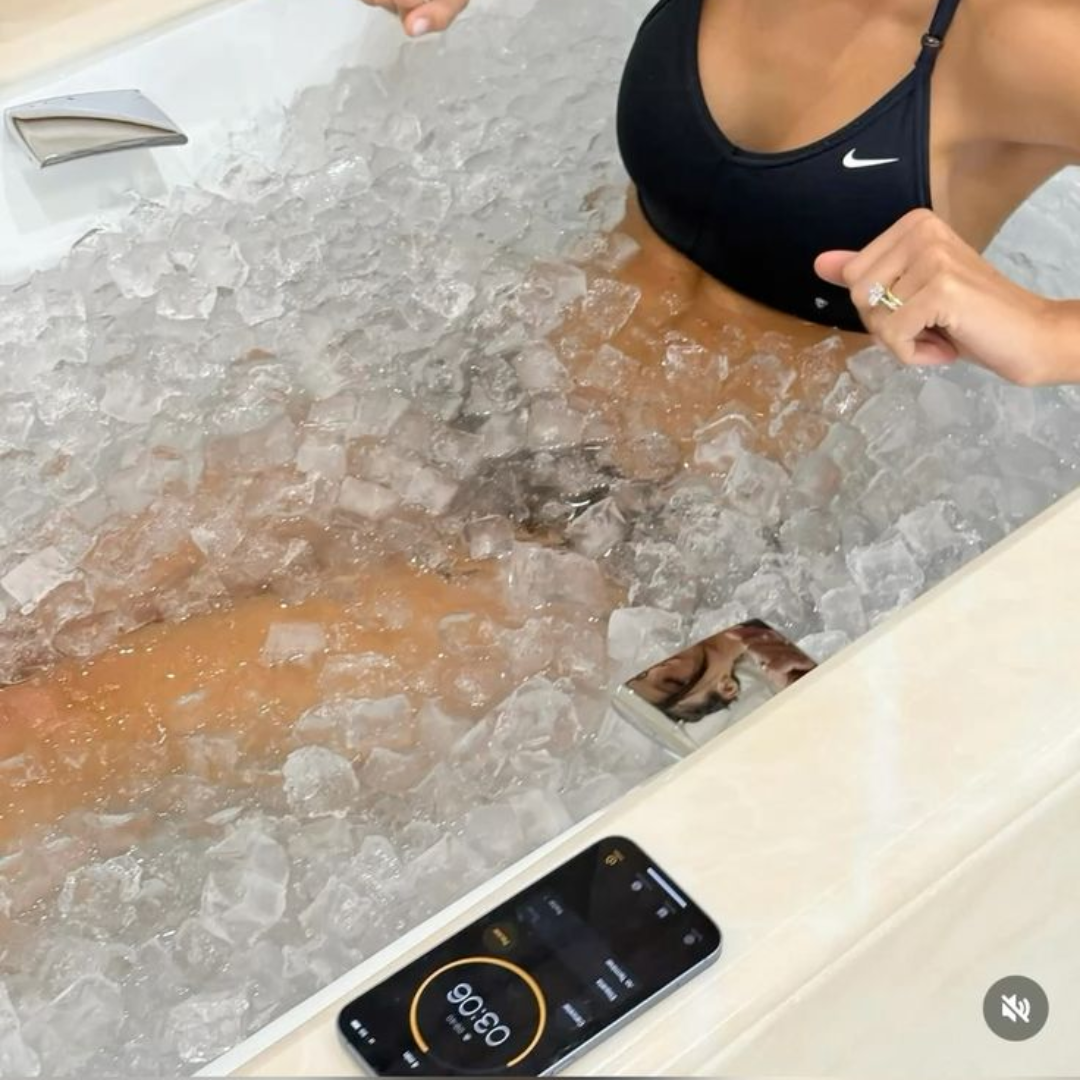
Neither temperature is universally better. Cold-water immersion is commonly used after intense exercise to reduce the perception of soreness, while warm water may feel better for relaxation, mobility and winding down. The right choice depends on your goal, health and tolerance.
Quick comparison
| Goal | Common choice | What to consider |
|---|---|---|
| Post-exercise cooling | Cool or cold water | Use brief, controlled exposure; colder is not automatically better. |
| Relaxation or bedtime | Warm water | Avoid very hot water and prolonged soaking. |
| Tight or tired muscles | Warm water | Comfort may be temporary and individual. |
Cold immersion can place acute stress on the cardiovascular system. People with heart, circulation, blood-pressure or temperature-regulation concerns should seek medical guidance before trying it, and no one should begin with extreme temperatures.
What Is Cold Bathing?
Cold bathing (also known as cold water therapy, cold plunging or immersion) involves immersing your body in cold water—typically around 10–15°C (50–60°F)—to activate the body’s natural healing response. Regular exposure has been shown to:
- Reduce inflammation and muscle soreness
- Boost circulation and lymphatic drainage
- Improve mood and resilience by triggering dopamine release
- Support recovery from workouts, stress, or daily physical demands

Why Magnesium?
Magnesium is an essential mineral that plays a vital role in over 300 bodily functions, from muscle relaxation and nerve support to stress reduction and better sleep. Magnesium bath flakes dissolve into a mineral-rich soak; evidence that bathing meaningfully raises the body’s magnesium levels through intact skin is limited.
Meet Your New Ritual: Bathorium Hinoki Magnesium Bath Flake
Our Hinoki Magnesium Bath Flake elevates your cold bath into a deeply meditative ritual. The serene blend of Yuzu fruit essential oil, herbaceous hinoki cypress, and distilled ginger CO fills the room with soft, grounding aromatics that transport you to a tranquil forest sanctuary.
As you sit in the still, cooling water, the flakes transform into a comforting magnesium chloride oil, easing tension and inviting a sense of peaceful clarity. It’s the well-planned way to soothe sore muscles, quiet your mind, and reconnect with your body.
Step-by-step instructions:
- Pre-dissolve Hinoki: Add 2–3 scoops of Hinoki Magnesium Bathflakes to a bowl of lukewarm water and stir gently until fully dissolved.
- Fill your bath: Prepare a bath with cool to cold water (10–15°C or 50–60°F).
- Pour it in: Add the dissolved Hinoki solution into the cold bath. This helps maintain hydration and soften the intensity of the cold for your skin and muscles.
- Immerse gradually: Ease your body in slowly. Stay in the bath for 1 to 3 minutes, focusing on deep, calm breathing.
- Post-bath recovery: Towel off gently—no rinsing required. Let the magnesium absorb into your skin.
- Repeat with contrast therapy: For best results, alternate hot and cold (hot–cold–hot) to enhance circulation and recovery.
Whether it’s post-workout, at the end of a long day, or simply when your mind needs quiet, this ritual offers an easy, beautiful way to find balance and restore calm from the outside in.


Leave a comment
This site is protected by hCaptcha and the hCaptcha Privacy Policy and Terms of Service apply.