




Reviewed and updated August 16, 2026 by The Bathorium Bathing Team.
The short answer: a shower is excellent for quick, efficient cleansing. But when the goal is wellness—not simply getting clean—a bath offers something deeper: full-body immersion, sustained warmth, sensory ritual and dedicated time to stop.
A shower completes a task. A bath creates a ritual. Both belong in a healthy routine, but they do not create the same experience.
Bath vs. shower: what is the real difference?
From a hygiene perspective, both baths and showers can clean the skin when used appropriately. A shower rinses sweat, surface oils and cleanser away quickly. It is practical after exercise, on busy mornings or whenever efficiency matters most.
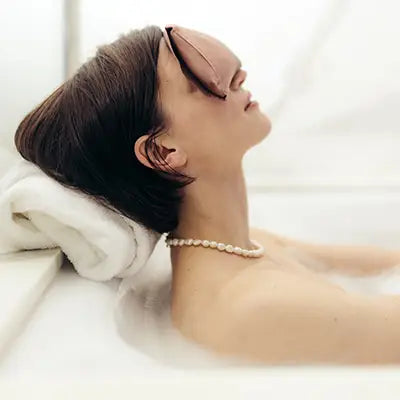
A bath asks more of us—and gives more back experientially. You prepare the water, choose the temperature, step away from your phone and allow the body to be supported by warmth. That combination turns washing into an intentional transition between activity and rest.
This distinction matters. Wellness is not only about what touches the skin. It is also about the conditions we create for slowing down, breathing more deliberately and leaving the demands of the day outside the bathroom door.
Why bathing is the stronger wellness ritual
1. Full-body immersion changes the experience
In a shower, water moves across the body. In a bath, the body is surrounded by it. Immersion creates a sustained sensory environment: consistent warmth, physical support, softened sound and fewer external distractions.
Many bathers report that this containment makes it easier to feel present. The bath becomes a defined pause rather than another step in a rushed routine.
2. A bath creates time that cannot be multitasked
A shower can easily become something to finish as quickly as possible. A bath is deliberately slower. Filling the tub, choosing a soak and settling into the water creates a sequence of cues that says: this time has been set aside.
That does not make bathing a treatment for stress, anxiety or another health condition. It makes it a useful ritual for reducing stimulation and creating a calmer environment alongside appropriate professional care when needed.

3. Warm bathing can support the transition toward sleep
Warm water raises skin temperature during the bath. After leaving the water, heat dissipation and the return toward a cooler core temperature may complement the body’s normal preparation for sleep.
A systematic review and meta-analysis found that warm bathing or showering one to two hours before bed was associated with shorter sleep-onset time and improved self-rated sleep quality in the studies reviewed. The research supports warm-water bathing as a sleep-hygiene practice—not as a treatment for insomnia.
For an evening ritual, use comfortably warm rather than extremely hot water. A practical starting point for many healthy adults is approximately 37–39°C for 10–20 minutes. Personal comfort, health conditions, pregnancy and heat tolerance matter; consult a clinician when individual guidance is needed.
4. The ritual is more customizable
A shower gives you cleanser, water and a few minutes. A bath can be adapted around what your skin and senses need that day:
- A simple, low-fragrance soak for dry or reactive-feeling skin
- A mineral-rich treatment after activity
- A botanical aroma for an evening wind-down ritual
- Bubbles for play, celebration or sensory pleasure
- Quiet water with no additions at all
The most elaborate bath is not automatically the most effective. Choosing one well-suited product and using it as directed is often better than layering several fragranced or active formulas.
Which is better for dry or sensitive skin?
Neither format is automatically better for every skin type. Temperature, duration, cleanser and post-bath care often matter more than whether you choose a bath or shower.
The American Academy of Dermatology recommends warm rather than hot water, limiting bathing or showering to roughly five to ten minutes for very dry skin, gently patting the skin and applying moisturizer while it remains slightly damp. People with eczema or another diagnosed skin condition should follow their dermatologist’s individualized plan.
A cosmetic bath soak may support a soft, moisturized skin feel, but it does not treat eczema, psoriasis or another medical condition. Fragrance-free care is generally the most cautious option during an active flare.

Is a bath hygienic?
Yes, a bath can be hygienic for everyday cleansing. The tub should be reasonably clean, and heavily soiled skin is better rinsed first. After strenuous exercise, gardening or exposure to significant dirt, a brief shower before the bath keeps the soaking water fresher.
You do not need to shower after a Bathorium soak. Rinsing afterward is entirely a matter of preference. If you enjoy the light skin feel left by the formula, gently pat dry; if you prefer a clean rinse, take one.
When is a shower the better choice?
A credible case for bathing should acknowledge when the shower wins. Choose a shower when:
- You need quick, focused cleansing
- You are visibly dirty or very sweaty
- You need to wash and rinse your hair efficiently
- You have mobility, balance or heat-tolerance concerns that make a tub unsuitable
- You need to conserve time or water
Accessibility and safety matter more than the ritual. Anyone who feels dizzy, overheated or unsteady should leave the water carefully and seek guidance if symptoms persist.
What about water use?
A full bath can use more water than a short shower, while a long shower can use as much as—or more than—a moderately filled tub. The fairest comparison depends on tub volume, fill level, showerhead flow and time.
For a more considered bath, fill only to the level needed for comfortable immersion. For showers, use a water-efficient showerhead and keep the duration purposeful. Wellness should include attention to the resources a ritual uses.
How to combine a shower and bath
You do not have to choose one forever. A useful routine is:
- Take a brief shower when you need thorough cleansing or hair washing.
- Use the bath on selected evenings as a dedicated wellness ritual.
- Keep the water comfortably warm and the room calm.
- Choose one soak based on your skin, scent tolerance and goal.
- Leave yourself a few quiet minutes afterward instead of returning immediately to screens or work.
This preserves the shower’s efficiency while making space for the bath’s greatest strength: uninterrupted immersion.

A simple Bathorium wellness ritual
- Set a boundary: give yourself 15–20 minutes without notifications.
- Choose comfortable warmth: the bath should feel soothing, never overwhelming.
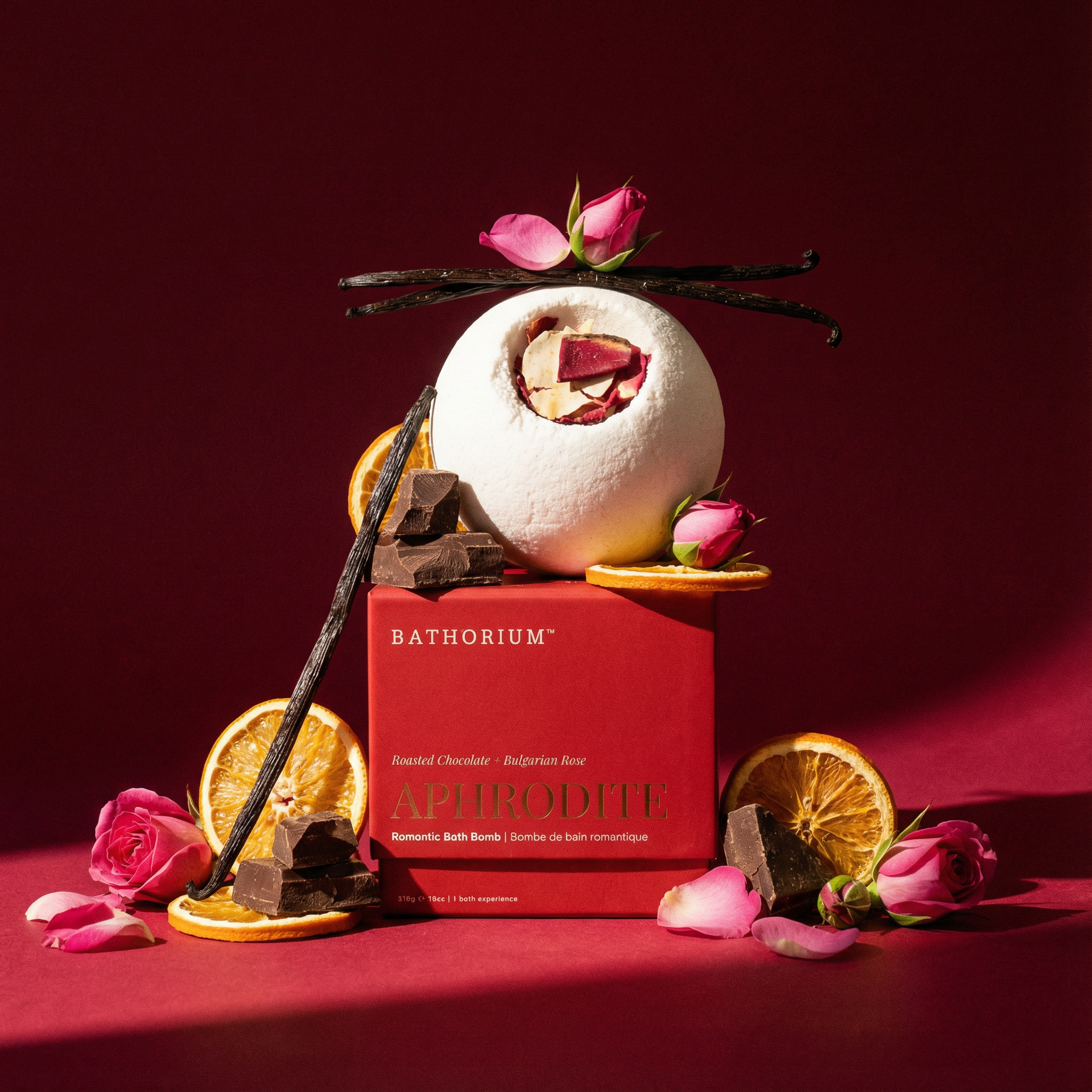
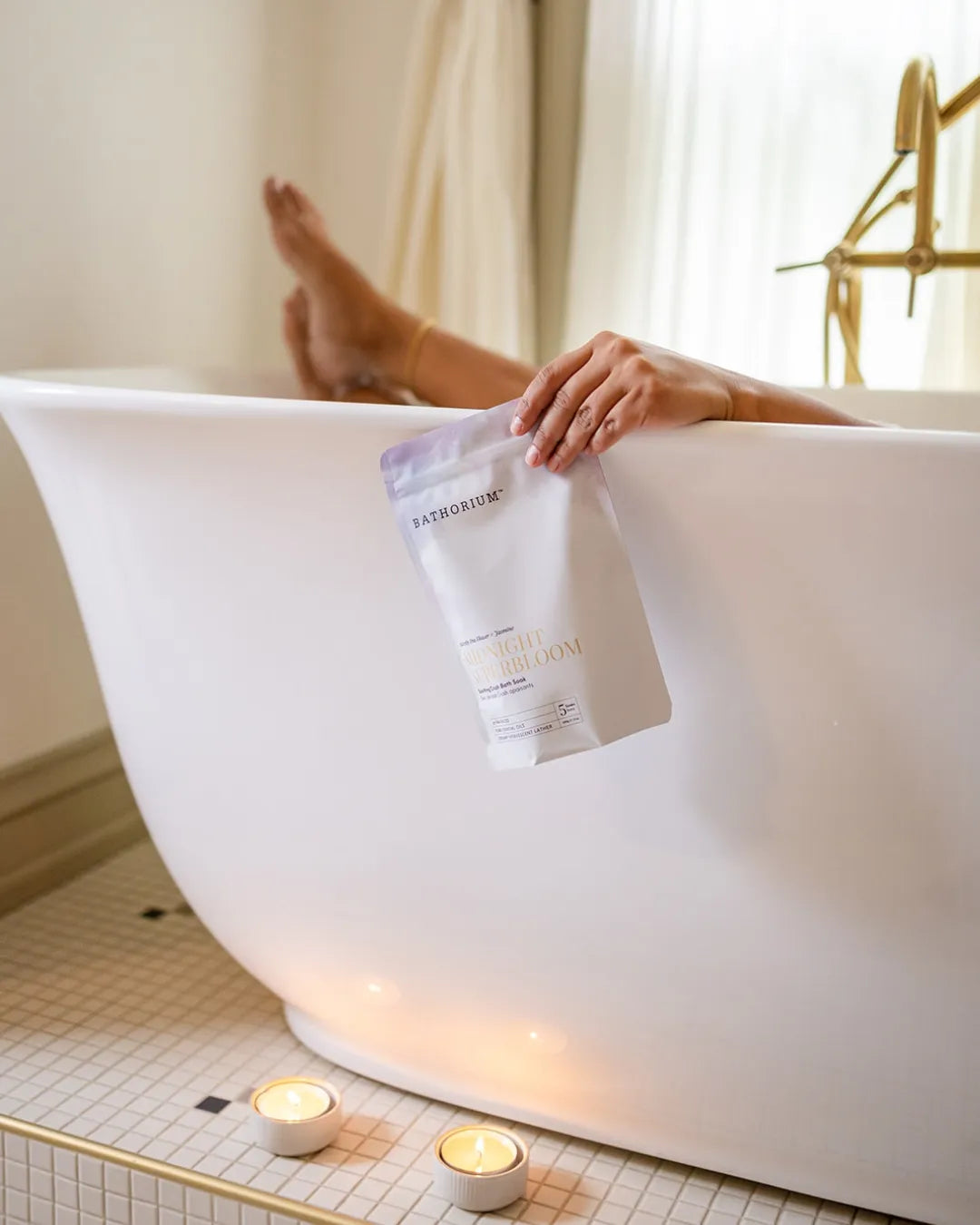
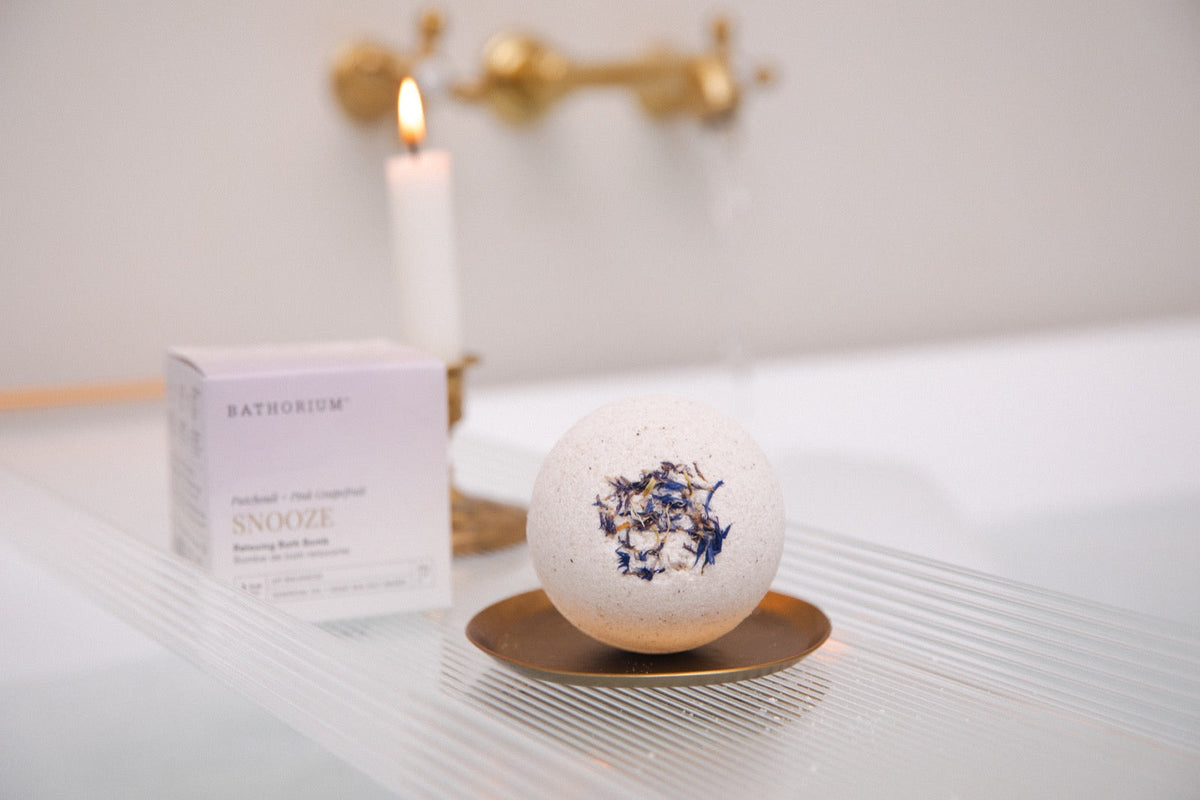
- Match the soak to the moment: try Hinoki Magnesium Bath Flakes for a mineral-rich ritual, Snooze Bath Bomb for a floral evening experience or Milk Mineral for a simple creamy soak.
- Let the room become quieter: dim the lights, breathe normally and allow the bath to be enough.
- Finish slowly: stand carefully, pat the skin dry and continue the quieter pace afterward.
Frequently asked questions
Is a bath or shower better before bed?
Both may work, but a bath offers sustained immersion and a stronger sense of ritual. Research on passive body heating suggests that warm bathing or showering about one to two hours before bed may support sleep onset and self-rated sleep quality.
Are daily baths bad for your skin?
Not necessarily. Very hot, lengthy or heavily fragranced baths can contribute to dryness or irritation. Use comfortable water, adjust duration to your skin and moisturize afterward when needed.
Should you shower before a bath?
It is optional for normal everyday bathing. A quick rinse is useful after exercise or whenever there is visible dirt, sunscreen or heavy product buildup.
Do Bathorium soaks require a shower afterward?
No. Rinsing is based on personal preference.
Is a bath better for wellness?
For many people, yes—not because it cures a condition, but because immersion creates time, warmth and sensory separation from the rest of the day. A shower cleans efficiently. A bath more naturally becomes a deliberate wellness ritual.
The verdict: a shower cleans, a bath restores the ritual
There is no reason to abandon the shower. It remains one of the most practical tools in daily hygiene. But wellness asks for more than efficiency.
A bath creates conditions that are difficult to reproduce while standing under running water: full-body immersion, sustained warmth, personalization and a clear invitation to pause. When the goal is not simply to get clean but to feel grounded, cared for and ready for what comes next, bathing is the richer ritual.
A shower completes a task. A bath creates a ritual.
Sources and further reading
- Haghayegh et al.: systematic review and meta-analysis of warm bathing or showering before sleep
- American Academy of Dermatology: dermatologist guidance for bathing with dry skin
- American Academy of Dermatology: bathing and eczema self-care guidance
- U.S. EPA WaterSense: showerhead water-efficiency information
This article is educational and is not medical advice. Cosmetic bath products are not intended to diagnose, treat, cure or prevent disease. Individual responses vary.


Leave a comment
This site is protected by hCaptcha and the hCaptcha Privacy Policy and Terms of Service apply.