





What is the best way to take a bath?
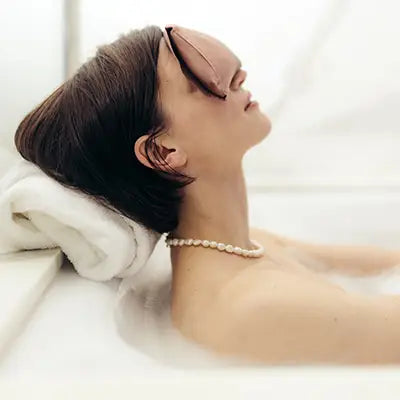
For most adults, a better bath starts with comfortably warm—not scalding—water, a clear purpose and a reasonable time limit. Around 37–39°C and 10–20 minutes is a practical general starting point. If your skin is dry or eczema-prone, use lukewarm water and shorten the bath to about 5–10 minutes. The ingredients you add should match your skin, fragrance tolerance and reason for bathing.
Bathing is simple, but it is not one-size-fits-all. The bath that helps someone transition toward sleep may be too warm or too long for reactive skin. A cool post-workout soak serves a different purpose from a moisturizing evening ritual. And an ingredient that creates a beautiful sensory experience can still be irritating to someone with fragrance sensitivity.
This guide brings the essentials together: temperature, timing, ingredient choice and safety. Use it as a framework, then adjust according to your body and preferences.
Start by deciding what you want from the bath
Before turning on the tap, choose the primary goal. This prevents the common mistake of adding several products and using extreme temperatures in pursuit of every possible benefit at once.
| Your goal | Practical starting point | What to prioritize |
|---|---|---|
| Relaxation | Warm water, 15–20 minutes | Comfort, low stimulation and a scent you personally find calming |
| Preparing for sleep | Warm bath 1–2 hours before bed | Consistent timing, dim light and a calm routine afterward |
| Post-activity comfort | Warm or cool water according to preference | Gradual temperature changes and realistic expectations |
| Dry or eczema-prone skin | Lukewarm water, 5–10 minutes | Fragrance-free care, gentle cleansing and prompt moisturizing |
| Sensitive skin | Lukewarm to warm water, shorter first soak | Simple formulas and introducing one new product at a time |
What is the best bath temperature?
Warm baths: the most versatile option
Warm water is the most practical choice for a routine bath because it can feel relaxing without the intensity of very hot water. A range around 37–39°C works well as a starting point for many healthy adults, but the correct temperature is ultimately one that feels comfortable and does not cause dizziness, breathlessness, flushing or overheating.
For sleep, research on passive body heating has found that a warm bath or shower taken about one to two hours before bed may support sleep onset and self-rated sleep quality. A systematic review examined studies using water temperatures around 40–42.5°C, sometimes for as little as 10 minutes. That does not mean everyone should aim for the hottest temperature studied: age, pregnancy, cardiovascular health, medication and personal heat tolerance all matter.
Hot baths: more heat is not more effective
Very hot water can strip surface oils, worsen dryness and make some people light-headed. It can also increase cardiovascular strain. If the water turns skin bright red, causes sweating or makes standing up feel unsteady, it is too hot for a leisurely soak.
Cold baths: a specific tool, not a universal wellness upgrade
Cold-water immersion is commonly used in athletic settings, but it produces an immediate cold-shock response that can sharply increase breathing, heart rate and blood pressure. Evidence for broad wellness claims remains limited. People with heart, circulation, blood-pressure or temperature-regulation concerns should seek medical guidance before experimenting with cold immersion. Never begin with extreme cold or use cold immersion alone in an unsafe environment.
How long should you stay in the bath?
For a general relaxation bath, 10–20 minutes is usually enough to enjoy warmth and establish a ritual. Longer is not automatically better. Extended exposure—especially in hot water—can leave skin dry and increase the chance of overheating.
For dry or eczema-prone skin, dermatologists commonly advise a shorter 5–10 minute bath in warm or lukewarm water, followed by gently patting the skin and applying moisturizer while it remains slightly damp.
- First time using a new product: start with a shorter soak and the labelled amount.
- Dry or reactive skin: aim for 5–10 minutes.
- General relaxation: try 10–20 minutes.
- Before bed: consistency and timing may matter more than staying in longer.
How to choose bath ingredients
Before choosing ingredients, consider the kind of bath you enjoy. Our guide to bath salts, bath bombs and bubble bath compares mineral soaks, cappuccino-like crema and long-lasting bubbles, with recommendations for matching the format to your ritual.
Bath salts and magnesium flakes
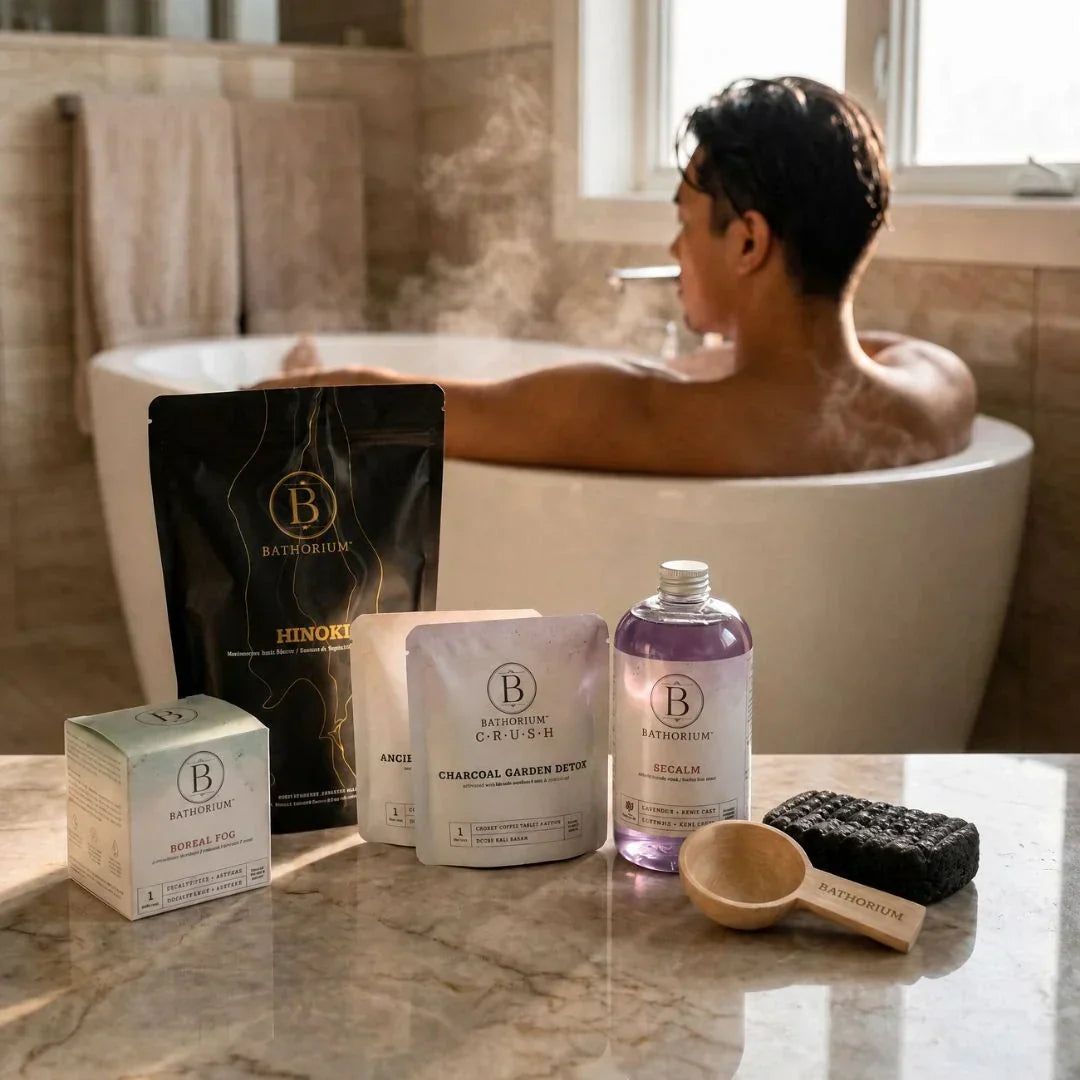
Mineral salts change the feel of the water and can be an enjoyable part of a post-activity or evening bath. Research has not yet substantiated that soaking reliably increases measurable magnesium levels in the body. Even so, many bathers report feeling the relaxing, muscle-comforting effects they associate with magnesium absorbing through the skin. These personal experiences are meaningful, but they should not be confused with proof that a bath corrects magnesium deficiency or replaces dietary magnesium, supplements or medical care. Bathorium’s Hinoki Magnesium Bath Flakes combine magnesium chloride with yuzu, hinoki cypress and ginger essential oils for a mineral-rich bathing ritual.

If you enjoy a mineral soak, follow the package directions and rinse the tub afterward. Salt can sting freshly shaved, cracked or broken skin.
Oats, coconut milk and emollient ingredients
Colloidal oatmeal and emollient ingredients are often chosen for a softer, more moisturized skin feel. Bathorium options containing oat-based ingredients include Milk Mineral Bath Soak, Ancient Oat Hydration Crush Soak and little charlie™ Kids Coconut & Oat Bath Soak. Each has a different format and intended bather, so review its complete ingredient list and directions—particularly if you have an oat, coconut or botanical allergy.

Clays and charcoal
Cosmetic clays and activated charcoal can absorb surface oils and create a distinctive texture and colour in the bath. They do not “detox” internal organs or pull undefined toxins from the body. Clay may also make the tub slippery and can feel drying to some skin types.
Essential oils and fragrance
Aroma can be a powerful cue within a personal ritual. Bathorium scents its bathing products with essential oils and does not use synthetic fragrance. Essential oils are still active aromatic materials and can cause sensitivity for some people, so “natural” does not automatically mean non-irritating. Never add undiluted essential oil directly to bath water: oil does not disperse evenly and concentrated droplets can contact the skin. Choose a properly formulated bath product and use it as directed.
Bubble bath
Bubbles add play and sensory pleasure, but they are not necessary for an effective bath. People with eczema, recurrent irritation or fragrance sensitivity may prefer a fragrance-free soak without foaming ingredients. Stop using a formula if it causes burning, itching or persistent dryness.
How much product should you use?
Use the amount stated on the label. Adding extra product can increase fragrance, colour, salt and surfactant exposure without improving the experience. If you are sensitive or trying a formula for the first time, beginning below the full labelled amount can help you assess tolerance, provided the product does not require an exact concentration for safe use.
Use one primary treatment at a time when possible. Combining salts, bombs, bubble bath, essential oils and exfoliants makes it harder to identify the cause if irritation occurs.
A Bathologist’s seven-step bath method
- Choose the goal. Relaxation, sleep preparation, skin comfort or post-activity recovery?
- Set the temperature. Begin warm or lukewarm and adjust gradually.
- Add one primary product under running water. Follow the labelled amount.
- Check your skin and breathing. Fragrance should not feel overwhelming and water should not sting.
- Set a timer. Ten to twenty minutes for most general baths; shorter for dry or eczema-prone skin.
- Exit carefully. Stand slowly and use a bath mat or stable surface.
- Finish according to your skin. Pat dry and moisturize if needed.
Who should take extra care?
Seek individualized guidance before using very hot or cold baths if you are pregnant, have cardiovascular or circulation concerns, have reduced sensation, take medication that affects blood pressure or temperature regulation, or have a condition that makes entering and exiting a bathtub difficult.
Bath products are cosmetic products. They should not be used to treat infections, eczema, anxiety disorders, insomnia or other medical conditions. Persistent symptoms deserve assessment from a qualified health professional.
Frequently asked questions
Is 38°C a good bath temperature?
For many healthy adults, approximately 38°C feels comfortably warm and is a sensible starting point. Personal comfort and health considerations are more important than hitting one exact number.
Should I shower after a bath soak?
None of Bathorium’s soaks require a shower or rinse afterward. It is entirely a matter of personal preference: some bathers like to leave the skin-softening ingredients on, while others prefer a quick rinse. If any bath product causes irritation, rinse with clean water and stop use.
Can I take a bath every day?
Many people can, but daily hot or lengthy baths may worsen dryness. Keep water warm rather than hot, shorten the bath and moisturize afterward if your skin becomes tight or flaky.
What is the best bath for sleep?
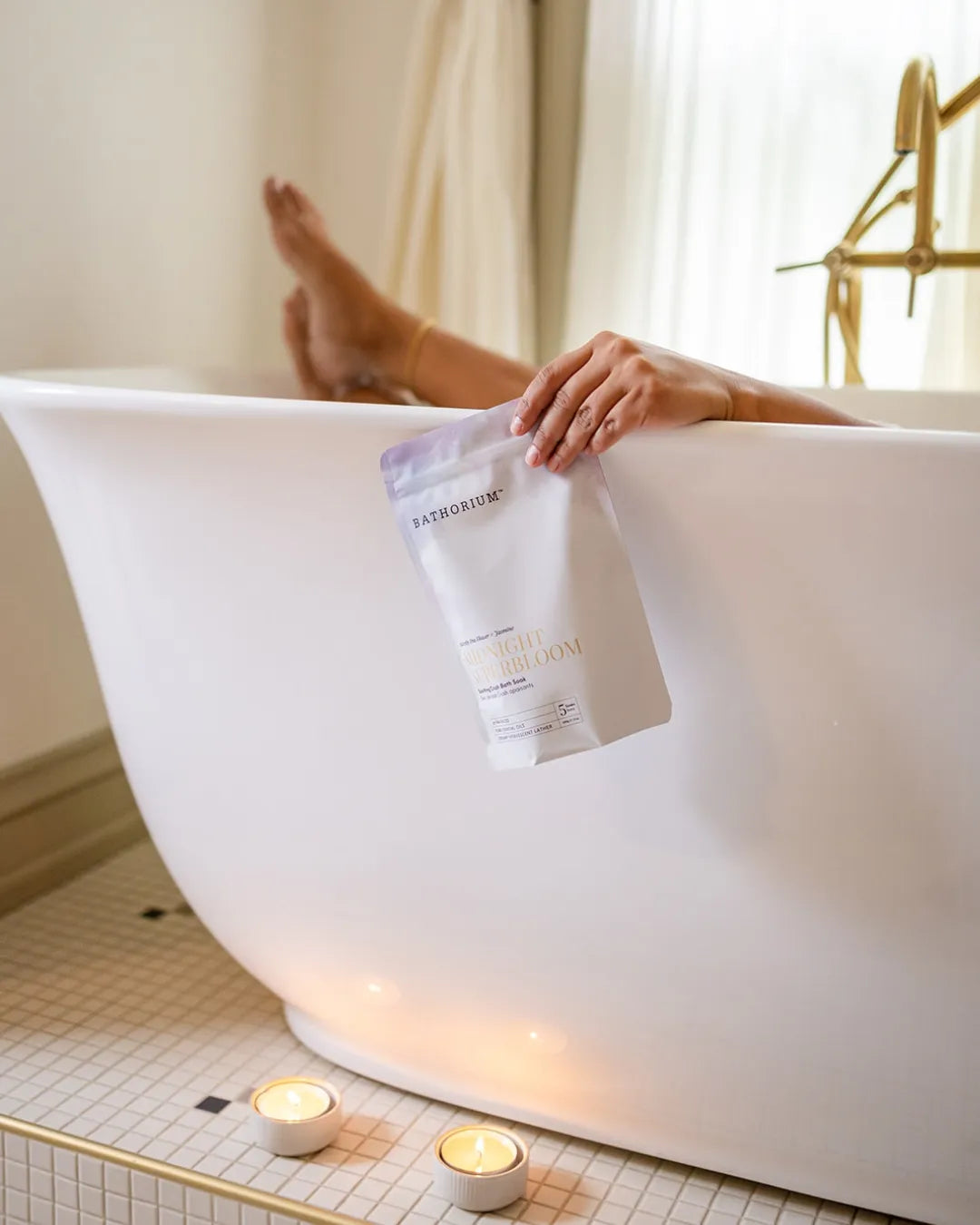
A comfortably warm bath taken roughly one to two hours before bedtime, followed by a calm and consistent routine, is a practical evidence-aware approach. For the ritual itself, consider the Snooze Bath Bomb for a floral aromatic bath, Hinoki Magnesium Bath Flakes for a mineral-rich soak, or Midnight Superbloom Crush Soak for a botanical evening ritual. A bath can support winding down, but it is not a treatment for chronic insomnia.


What is the best bath for sensitive skin?
Use lukewarm water, a short soak and a simple fragrance-free formula. Introduce products one at a time and stop if you notice burning, itching or increased redness.
The bottom line
A better bath does not require the hottest water, the longest soak or the most products. It comes from matching temperature, time and ingredients to your actual goal. Start simply, pay attention to how your skin and body respond, and let consistency—not excess—build the ritual.
Sources and further reading
- Haghayegh et al. — Before-bedtime passive body heating and sleep: systematic review and meta-analysis
- American Academy of Dermatology — At-home eczema care and bathing guidance
- American Academy of Dermatology — Dermatologists’ tips for dry skin
- American Heart Association — Cold-water immersion risks
Reviewed in the Bathorium Bathing Guide. Educational information only; not medical advice.

Leave a comment
This site is protected by hCaptcha and the hCaptcha Privacy Policy and Terms of Service apply.